


Featured article by Sally Writes, Independent Technology Author
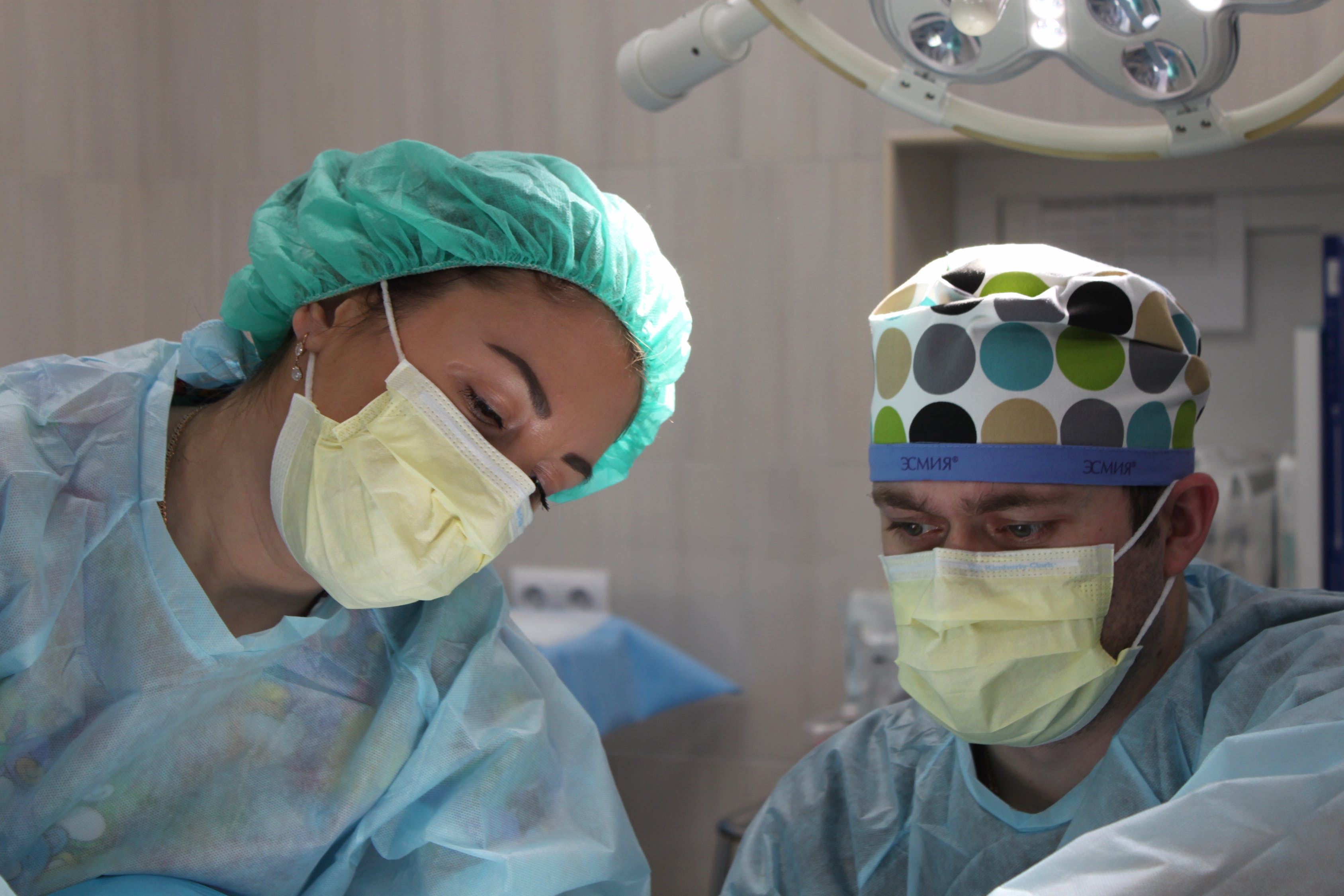
Cosmetic surgery is on the rise, with 18 million people undergoing procedures last year in America. The internet and the influence of social media has helped to spread information about cosmetic procedures, while the impact of new technology has made it safer and easier to perform them. In addition, less invasive procedures, such as fillers and microsurgery, are also becoming more popular. From the increasing use of IT to connect and communicate with patients, to improving outcomes of cosmetic surgery, advances in technology are allowing more people to benefit from safe and precise surgeries performed by reputable practitioners.
Devices In Micro Surgery Reduce Risk Of Scarring
Advances in technology have made it possible to undergo less invasive enhancement procedures and still achieve highly effective results. As the use of micro-injected dermal fillers doesn’t involve surgery, it results in considerably less down time, and promotes scarless healing. For more complex procedures that require cutting into the skin, microsurgery is now common. The tiny incisions and miniature devices, such as endoscopic cameras, leave barely any scarring. In assisting surgeons in very delicate operations, such as reconstructive plastic surgery, robotics are proving to be highly beneficial. They can convert a surgeon’s actions into much smaller movements, and remain steadier through tremor filtration. As a result, the risk of complications is reduced, and patients tend to recover faster.
Preoperative Planning Increases Accuracy
Accuracy and efficiency are further improved with preoperative planning. Using a patient’s CT scans for computerized planning, and practicing operations using simulation applications can result in safer procedures and reduced operative time. For patients, it is also very important for them to be able to visualize how their surgery will enhance their appearance. Traditionally, surgeons have used two dimensional photographs to give patients an idea of the end result of their proposed procedure. However, with advances in 3D technology, cosmetic surgeons are able to present a much clearer picture of how their patients will look after their surgery. By manipulating an image of the patient until they are satisfied with the result, computer-assisted imaging enables surgeons to plan an operation that will meet their clients’ requirements.
An Online Presence Spreads Information
There is a recognized relationship between social media and cosmetic appearance that in many cases leads to potential clients being made more aware of available procedures and their enhancing benefits. Surgeons are also making increasing use of an online presence to promote their services, give advice and request feedback. Patients who respond by posting about their experiences, provide valuable information, not only to surgeons, but to anyone contemplating a similar procedure, and poor reviews can keep disreputable practitioners in check.
The widespread use of the internet and social media has undoubtedly had an effect on the uptake of cosmetic procedures. With technological developments also making procedures quicker and safer to perform, it is easy to see why more people are choosing to undergo cosmetic enhancement.


